Pests have a way of making themselves known at the worst possible time. Maybe you spot a trail of ants across the kitchen counter. You hear scratching inside a wall late at night. You notice droppings in the garage. Or you find signs of termites near a door frame and immediately wonder how long they have been there
For many homeowners, the first reaction is to deal with whatever they can see. Spray the ants. Set a trap. Clean the area. Hope the problem disappears. Sometimes it does. Often, it does not. The insects you observe might just represent a fraction of a more extensive issue. Insects and rodents can hide inside walls, attics, crawl spaces, cabinets, basements, and other areas that homeowners rarely inspect.
So, why is pest control so important?
Effective pest control is not simply about getting rid of annoying bugs. It can help protect your property, reduce certain health and sanitation risks, identify developing infestations, and make your home a less attractive place for pests to return.
Understanding how pest control works, how often it should be done, and when professional help makes sense can help homeowners respond before a small pest problem becomes a much bigger one.
Pest Control Is About More Than Killing Bugs
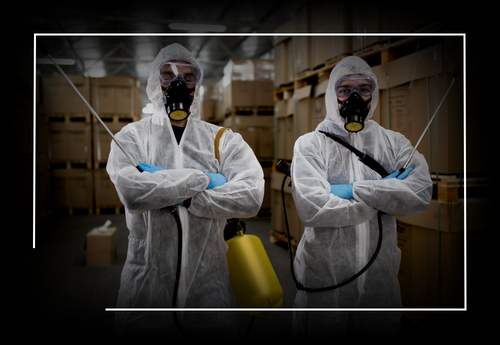
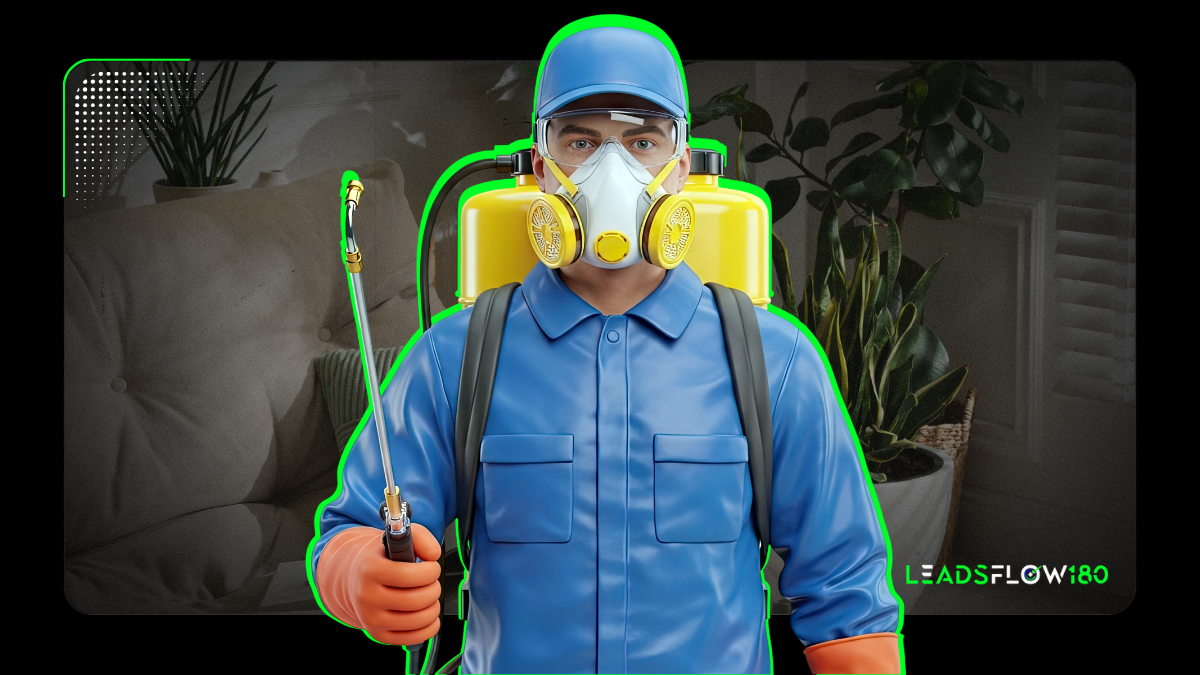
When people hear “pest control,” they often picture someone spraying around the house. Professional pest management can involve much more than that.
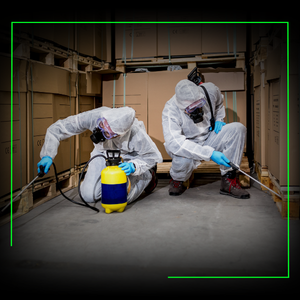
Depending on the pest and property, a professional may inspect the home, identify the pest, locate possible entry points, evaluate conditions attracting the pest, recommend treatment, and suggest preventive measures.
The goal is not only to address what you can see today.
It is also to understand why pests are getting into the home in the first place.
Common household pests can include:
- Ants
- Cockroaches
- Termites
- Spiders
- Fleas
- Bed bugs
- Mice and rats
- Wasps and other stinging insects
Different pests require different approaches. What works for ants may do very little for termites or rodents.
That is one reason correctly identifying the problem matters.
1. Some Pests Can Damage Your Home
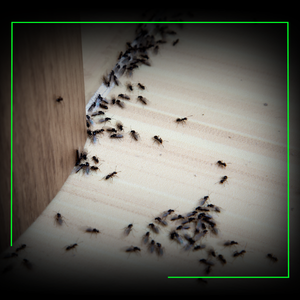
One of the biggest reasons pest control is important is property protection. Certain pests can cause damage long before homeowners realize they are present.
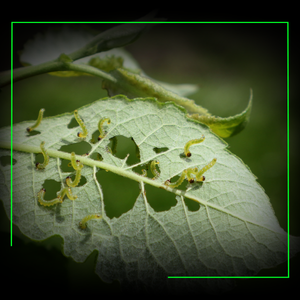
Termites, for example, can feed on wood and other cellulose-based materials. Carpenter ants may establish nests in damaged or damp wood. Rodents can chew through insulation and other materials while creating nests inside hidden areas. Some rodents may also damage wiring. The frustrating part is that much of this activity can happen out of sight. By the time obvious signs appear, the problem may already require more extensive repairs.
Routine inspections and prompt treatment can help identify pest activity earlier.
2. Pests Can Create Health and Sanitation Concerns
Pests are not simply unpleasant to look at. Some can contaminate surfaces or food, while others may carry pathogens, trigger allergic reactions, or bite and sting.
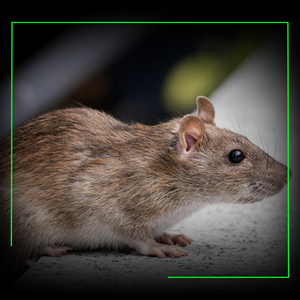
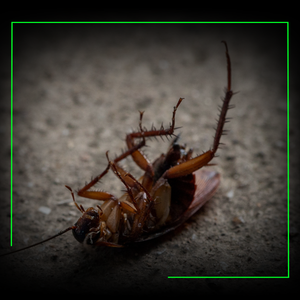
Cockroaches, rodents, fleas, ticks, mosquitoes, and other pests can create different concerns depending on the species and environment. This becomes especially important in areas where food is stored or prepared. If pests are regularly appearing in your kitchen or pantry, repeatedly spraying the visible insects may not solve the underlying problem.
You need to determine where they are coming from and what is allowing them to stay.
3. Small Pest Problems Can Grow Quickly
One ant might not concern you. One mouse sighting might seem manageable.
The problem is that pests rarely schedule a meeting to tell you how many friends they brought. Many pest populations can grow rapidly under the right conditions. Food, water, warmth, shelter, and access to your home can provide an environment where an infestation becomes established. Waiting until the problem is impossible to ignore may make treatment more complicated.
Early action is usually easier than dealing with a well-established infestation.
4. DIY Pest Control Has Limits
There is nothing wrong with homeowners handling minor pest prevention themselves.
Simple steps can make a meaningful difference, including:
- Sealing food containers
- Cleaning crumbs and spills
- Fixing moisture problems
- Taking trash out regularly
- Sealing small gaps
- Keeping vegetation away from the structure
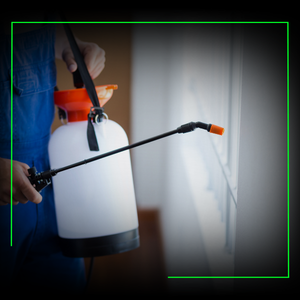
Over-the-counter pest products may also help with certain minor problems when used exactly according to the label.
The trouble begins when homeowners repeatedly treat symptoms without addressing the source. You might kill the ants on your counter while leaving the colony untouched. You might catch one mouse without discovering the opening rodents are using to enter the home. If a pest keeps returning, there is probably a reason.
That is when professional evaluation becomes more valuable.
5. Professionals Can Identify Entry Points
Pests do not magically appear inside your home. They find a way in.
Possible entry points include:
- Cracks around foundations
- Gaps around doors
- Damaged screens
- Openings around utility lines
- Roof gaps
- Vents
- Plumbing penetrations
Some openings are surprisingly small.
A professional inspection may reveal vulnerabilities you would never notice during normal household maintenance.
Sealing or correcting these areas can be just as important as treating the pests already inside.
6. Pest Control Can Help Protect Your Investment
Your home is likely one of your largest financial investments.
Keeping it in good condition involves more than maintaining the roof, plumbing, HVAC system, and electrical system. Pest prevention belongs on that list too. An untreated infestation can potentially lead to repair expenses, damaged belongings, contaminated areas, and repeated treatment costs.
Preventive pest management can help homeowners catch warning signs before they turn into more expensive problems.
How Often Should Pest Control Be Done?
There is no universal schedule that works for every property.
The right frequency depends on several factors, including:
- Type of pest
- Severity of previous infestations
- Local climate
- Property condition
- Surrounding environment
- Treatment method
- Pest pressure in the area
Some homes may only require occasional treatment. Others may benefit from quarterly or another recurring service schedule. Properties with persistent pest pressure may need more frequent visits.
Instead of assuming you automatically need monthly treatment, ask a qualified pest professional what schedule makes sense for your specific home and pest problem.
How Long Does Pest Control Last?
Again, there is no single answer.
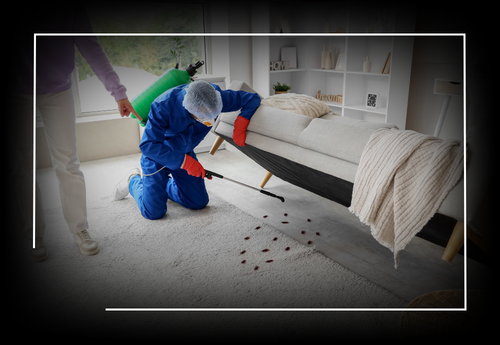
Treatment effectiveness depends on the pest, the treatment method, the product used, weather conditions, property conditions, and whether the source of the infestation has been identified and addressed.
Some treatments may continue to work for an extended period, while others are designed for a specific pest lifecycle or require follow-up applications.
Outdoor treatments may also be affected by weather and environmental conditions.
The better question is not simply, “How long will this spray last?”
Ask:
“What needs to happen to keep this particular pest from coming back?”
That shifts the focus from temporary treatment to long-term prevention.
Is Monthly Pest Control Necessary?
Not for every home. Some properties may need frequent service because of a serious infestation, environmental conditions, or persistent pest activity. Others may be adequately protected with less frequent scheduled treatments and good preventive maintenance. Be cautious about assuming that more treatment automatically means better pest control.
A professional should consider the actual problem and recommend an appropriate plan. Ask why a specific frequency is being recommended and what is included during each visit.
You should understand what you are paying for.
Signs You May Need Professional Pest Control
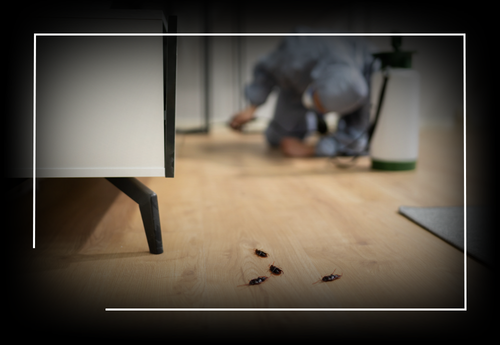
Seeing one insect does not always mean you have a major infestation. Repeated or unusual activity is more concerning.
Consider contacting a professional if you notice:
- Frequent pest sightings
- Droppings
- Gnaw marks
- Damaged food packaging
- Unexplained property damage
- Scratching inside walls
- Nests
- Mud tubes or other signs of termite activity
- Persistent insect activity despite DIY treatment
- Unusual odors associated with pest activity
If you are unsure what you are seeing, avoid guessing.
Correct identification is important because different pests require different treatments.
How to Choose a Pest Control Company
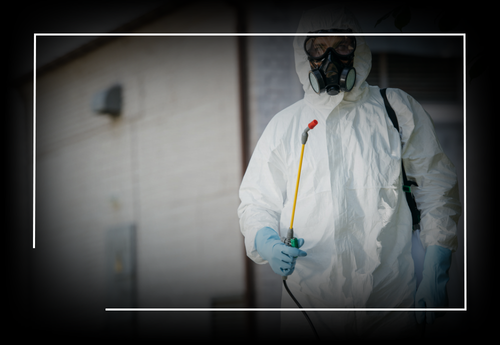
Hiring a pest control company means trusting someone to treat areas in and around your home. Do some homework first.
Ask about:
- Licensing and insurance
- Experience with your specific pest
- Inspection process
- Treatment methods
- Safety precautions
- Follow-up visits
- Guarantees or warranties
- Pricing
- Preventive recommendations
A reputable professional should be able to explain what they found, what they recommend, and why.
Be cautious if someone immediately recommends an expensive treatment without clearly identifying the problem.
Prevention Starts With the Homeowner
Professional pest control can help, but homeowners still play an important role. Pests are attracted to conditions that provide food, moisture, shelter, or access.
A few preventive habits can make your property less inviting. Keep food sealed and clean spills promptly. Avoid leaving pet food out unnecessarily. Repair leaking faucets and pipes. Remove standing water where possible. Keep trash containers closed. Inspect doors and windows for gaps.
Outside the home, trim vegetation that touches the structure and avoid allowing unnecessary clutter to accumulate near the foundation. None of these steps guarantees a pest-free home.
Together, however, they can reduce some of the conditions that encourage pest activity.
Pest Control Businesses Need to Be Visible When Homeowners Need Help

For pest control companies, there is another important part of the equation. Homeowners usually do not spend months planning to hire a pest control company.
They discover a problem and start searching for help. That makes online visibility particularly important. If someone searches for pest control, termite treatment, rodent control, or another local service, the companies appearing prominently in search results have a much better opportunity to receive the call.
LeadsFlow180 helps home service businesses improve their online visibility and create marketing systems designed to generate qualified leads.
Final Thoughts
So, why is pest control so important? Because pest problems can involve much more than an occasional bug in the kitchen. Certain pests can damage property, contaminate areas of the home, create health or sanitation concerns, and multiply when conditions allow them to become established.
The key is not to panic every time you see an insect. Pay attention to patterns. Keep your home clean and maintained. Reduce food and moisture sources. Seal obvious entry points. Know the warning signs of a developing infestation. And when a problem keeps returning or involves a pest you cannot confidently manage, contact a qualified professional. Good pest control is not about endlessly spraying everything that moves.
It is about identifying the problem, choosing an appropriate solution, and reducing the conditions that allow pests to return.
FAQs
1. Why is pest control so important?
Pest control can help protect your property, address pests that may create health or sanitation concerns, prevent infestations from growing, and identify conditions that allow pests to enter or remain in your home.
2. How often should pest control be done?
The appropriate frequency depends on the pest, property, environment, treatment method, and history of infestation. Some homes may need occasional service, while others benefit from recurring treatments.
3. How long does pest control last?
It depends on the treatment, pest species, environmental conditions, and whether entry points or other causes have been addressed. Ask your pest control professional what to expect from the specific treatment being used.
4. Is monthly pest control necessary?
Not always. Monthly pest control may be appropriate for certain infestations or properties with persistent pest pressure, but many homes can use a different service schedule.
5. What are the signs of a pest infestation?
Possible signs include repeated pest sightings, droppings, nests, gnaw marks, damaged food packaging, scratching sounds, unexplained property damage, and persistent pest activity.
6. Can I handle pest control myself?
Homeowners can often handle basic prevention and some minor pest issues. Recurring infestations, termites, rodents, difficult-to-identify pests, or problems that continue despite DIY treatments may require professional help.
7. How can I prevent pests from coming into my home?
Keep food properly stored, clean spills and crumbs, address moisture problems, close trash containers, seal accessible gaps, maintain doors and screens, and reduce clutter around the property.
8. What should I look for when hiring a pest control company?
Look for appropriate licensing and insurance, relevant experience, clear explanations of the problem and treatment, transparent pricing, safety information, and a reasonable follow-up plan.