Many homeowners rarely consider their HVAC system until an issue arises. One day, your home feels perfectly comfortable. Next, your air conditioner is blowing warm air, strange noises are coming from the vents, or your furnace refuses to turn on during a cold night.
While some HVAC problems can wait for a scheduled service appointment, others require immediate attention. Disregarding warning signals can result in costly repairs, increased energy costs, diminished indoor air quality, or potentially total system breakdown. The positive aspect is that your HVAC system typically provides signs before a significant failure occurs. Knowing what those warning signs look like can help you avoid bigger problems and keep your family comfortable year-round.
In this guide, we’ll cover the most common signs you need HVAC repair immediately, explain when it’s time to call for HVAC emergency repair, and share tips to help protect one of the most important systems in your home.
Why Prompt HVAC Repair Matters
Your HVAC system works hard every day. It heats your home during the winter, cools it during the summer, and helps maintain healthy indoor air quality throughout the year.
When one component starts failing, it often puts extra stress on the rest of the system. What begins as a small repair can quickly turn into a costly replacement if left unchecked.
Scheduling HVAC repair as soon as you notice a problem can
- Prevent larger breakdowns
- Improve energy efficiency
- Extend the life of your HVAC system
- Lower utility bills
- Keep your family safe and comfortable
Let’s look at the warning signs you should never ignore.
1. Your HVAC System Stops Blowing Cold or Warm Air
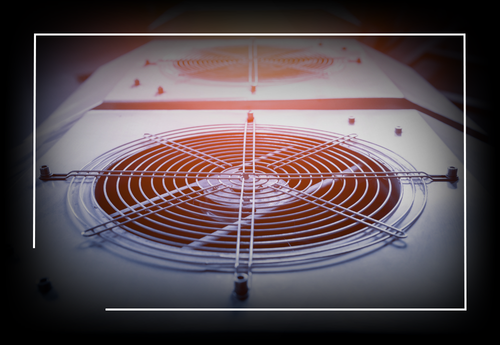
This is one of the most obvious signs that something is wrong.
If your air conditioner blows warm air during the summer or your furnace produces cool air during the winter, your HVAC system needs professional attention.
Possible causes include:
- Refrigerant leaks
- Compressor failure
- Thermostat issues
- Electrical problems
- Dirty coils
- Clogged filters
While replacing an air filter is something many homeowners can do themselves, persistent temperature issues should always be inspected by a licensed HVAC technician.
2. Strange Noises Coming From Your HVAC System
Your HVAC system should operate relatively quietly.
If you suddenly hear unusual sounds, don’t ignore them.
Common warning noises include:
- Grinding
- Banging
- Squealing
- Rattling
- Buzzing
- Clicking
These sounds often indicate worn components, loose parts, failing motors, or electrical problems.
The longer these issues continue, the greater the chance of additional damage.
3. Unpleasant Odors
Your HVAC system should never fill your home with unpleasant smells.
Different odors may point to different issues:
- A burning smell may indicate electrical problems.
- Musty odors can suggest mold or mildew.
- Rotten smells may point to moisture issues or pests.
- Chemical odors could indicate refrigerant leaks.
If you notice strong or unusual smells, schedule HVAC repair immediately.
4. Weak Airflow Throughout Your Home
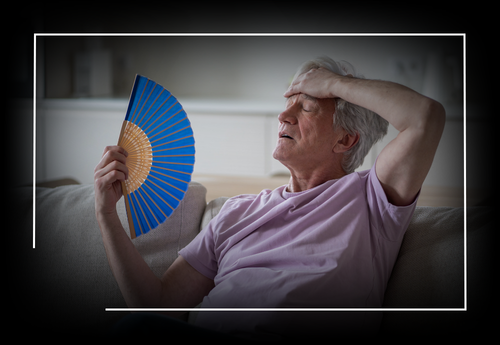
Poor airflow is another common sign that your HVAC system isn’t operating efficiently.
Possible causes include:
- Dirty air filters
- Blocked ductwork
- Blower motor problems
- Failing fans
- Air leaks
Weak airflow forces your system to work harder, increasing wear and energy consumption.
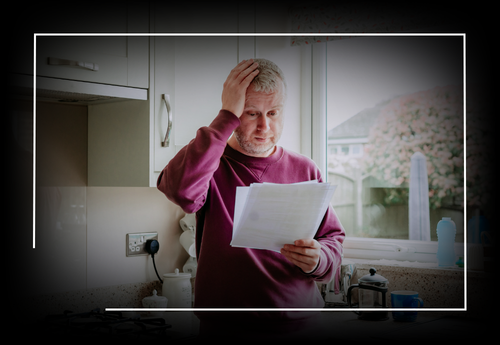
5. Rising Energy Bills
If your utility bill suddenly increases without a major change in weather or usage, your HVAC system could be the reason.
As systems become less efficient, they require more energy to maintain comfortable temperatures.
A professional inspection can often identify small issues before they become expensive repairs.
6. Your HVAC System Turns On and Off Frequently
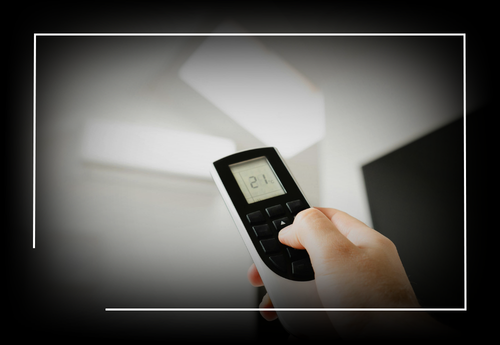
This issue is commonly known as short cycling.
Instead of completing full heating or cooling cycles, the system repeatedly starts and stops.
Possible causes include:
- Faulty thermostats
- Dirty filters
- Refrigerant issues
- Oversized equipment
- Electrical problems
Short cycling increases wear on critical components and shortens the lifespan of your HVAC system.
7. Water or Refrigerant Leaks
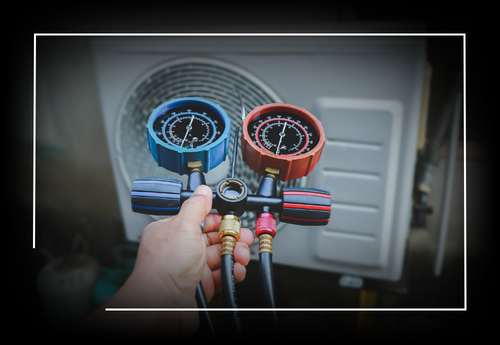
Moisture around your indoor or outdoor HVAC equipment should never be ignored.
Water leaks may indicate:
- Blocked condensate drains
- Frozen evaporator coils
- Damaged drain pans
Refrigerant leaks are even more serious.
Low refrigerant reduces cooling performance and may damage the compressor if left unresolved.
If you notice liquid around your equipment, schedule HVAC repair immediately.
8. Poor Indoor Air Quality
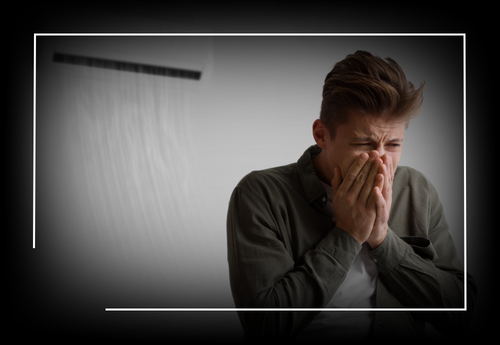
Your HVAC system does more than regulate temperature.
It also helps circulate and filter indoor air.
Signs of poor indoor air quality include:
- Excessive dust
- Increased allergy symptoms
- Stale air
- Humidity problems
- Mold growth
These issues may indicate clogged filters, dirty ductwork, or equipment problems requiring professional HVAC services.
9. Your Thermostat Isn’t Responding Properly
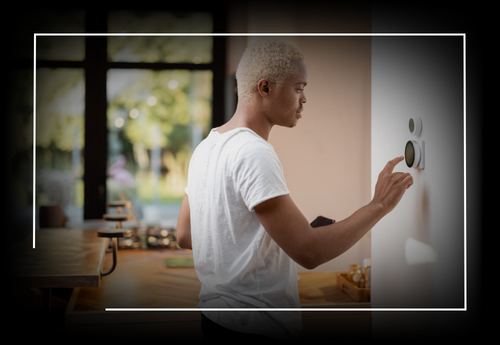
Sometimes the problem isn’t the HVAC equipment itself.
A malfunctioning thermostat can cause:
- Incorrect temperatures
- Constant running
- System shutdowns
- Uneven heating or cooling
A technician can determine whether the thermostat needs recalibration, repair, or replacement.
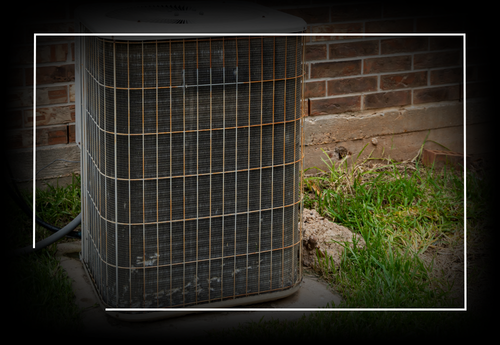
10. Your System Is More Than 15 Years Old
Age alone isn’t always a reason for replacement.
However, older HVAC systems often experience more frequent breakdowns and reduced efficiency.
If your system requires repeated repairs, it may be time to discuss long-term options with an HVAC professional.
When Is It an HVAC Emergency?
Not every repair requires immediate emergency service.
However, certain situations should never wait.
Call for HVAC emergency repair if you experience:
- Complete system failure during extreme temperatures
- Burning odors
- Smoke
- Electrical sparks
- Refrigerant leaks
- Carbon monoxide concerns
- Loud mechanical failures
- Frozen HVAC equipment during severe weather
Fast action can prevent additional damage while protecting your family’s safety.
How Regular HVAC Services Help Prevent Emergencies
The best emergency repair is the one you never need.
Routine HVAC services help identify worn parts before they fail.
Preventive maintenance often includes:
- Cleaning coils
- Replacing filters
- Checking refrigerant levels
- Inspecting electrical components
- Testing airflow
- Lubricating moving parts
- Examining ductwork
These inspections improve reliability while reducing the likelihood of unexpected breakdowns.
Should You Repair or Replace Your HVAC System?
This is one of the most common questions homeowners ask.
While every situation is different, repairs often make sense when:
- The system is relatively new.
- Repairs are minor.
- The equipment has been properly maintained.
Replacement may be a better option if:
- Repairs become frequent.
- Energy bills continue increasing.
- The system is more than 15 to 20 years old.
- Major components fail repeatedly.
A trusted HVAC contractor can help you compare repair costs with long-term replacement savings.
How to Choose the Right HVAC Contractor
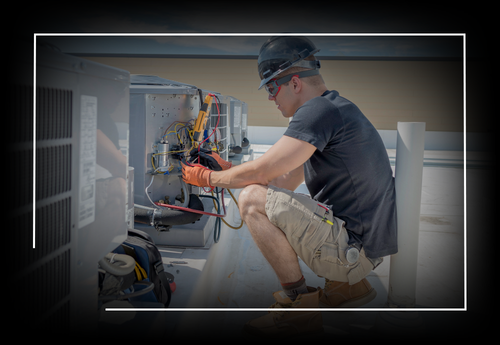
When your comfort is on the line, choosing the right contractor matters.
Look for companies that:
- Are licensed and insured
- Have strong online reviews
- Offer emergency services
- Provide written estimates
- Explain repair options clearly
- Stand behind their work
Avoid choosing solely based on the lowest price.
Quality workmanship often saves money over the life of your HVAC system.
Your Website Matters Too If You Own an HVAC Business
If you’re an HVAC contractor reading this, remember that homeowners searching for HVAC repair usually start online.
A fast, professional website and strong local search visibility help your business appear when customers need immediate assistance.
At LeadsFlow180, we help HVAC companies attract more qualified leads through professional websites, SEO, and digital marketing strategies designed specifically for home service businesses.
Final Thoughts
Your HVAC system plays a critical role in keeping your home comfortable throughout the year.
Paying attention to early warning signs can help you avoid expensive repairs, improve energy efficiency, and extend the life of your equipment. Whether it’s strange noises, weak airflow, rising utility bills, or a complete system shutdown, acting quickly often saves both time and money.
When in doubt, contact a qualified HVAC professional. A prompt inspection today could prevent a much larger repair tomorrow.
FAQs
1. What are the signs you need HVAC repair immediately?
Common warning signs include warm air, strange noises, poor airflow, unusual odors, water leaks, high energy bills, short cycling, and inconsistent temperatures.
2. What qualifies as HVAC emergency repair?
HVAC emergency repair is needed when your system completely fails during extreme weather, produces burning smells, leaks refrigerant, sparks electrically, or creates safety concerns.
3. How often should I schedule HVAC services?
Most HVAC professionals recommend scheduling maintenance twice a year, typically in the spring for cooling systems and in the fall for heating systems.
4. Can I continue using my HVAC system if it makes strange noises?
No. Unusual sounds often indicate mechanical problems that can become more serious if ignored.
5. Is HVAC repair better than replacement?
It depends on the age of the system, repair costs, and overall condition. A trusted HVAC technician can help determine the most cost-effective solution.
6. How can regular HVAC maintenance reduce emergency repairs?
Routine maintenance identifies worn or failing components early, helping prevent unexpected breakdowns while improving efficiency and extending the life of your HVAC system.