Plumbing is easy to forget about when it works.
You turn on the sink, and water comes out. You flush the toilet, and the water goes down. You take a shower, wash clothes, and run the dishwasher.
Most of us do not think about the pipes behind the walls.
Then something goes wrong.
A pipe starts to leak. A toilet will not stop running. A drain backs up. The water heater stops working.
Suddenly, plumbing becomes very important.
A good plumbing system does more than give you water. It helps remove dirty water from your home. It helps protect your floors and walls from water damage. It also helps your family cook, clean, bathe, and use the bathroom each day.
This guide explains why plumbing is important, which problems you should watch for, and when you may need professional plumbing services.
Why Is Plumbing So Important?
Your plumbing system has two main jobs.
First, it brings water into your home.
Second, it carries dirty water away.
Many things you do each day depend on those two jobs.
You need plumbing for:
- Drinking water
- Cooking
- Taking showers
- Washing your hands
- Flushing toilets
- Washing dishes
- Washing clothes
- Using your water heater
- Watering your yard
Think about what would happen if you had no working water for one full day.
Simple tasks would become hard very fast.
That is why a working plumbing system is a key part of a safe and comfortable home.
1. Plumbing Helps Keep Your Home Clean
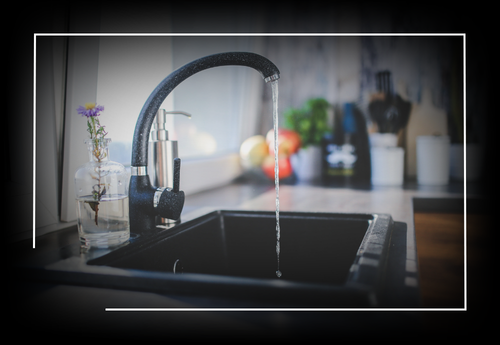
One reason plumbing is so important is that it helps keep your home clean.
Clean water comes into your home through one set of pipes. Dirty water leaves through drains and sewer pipes.
Your kitchen, bathroom, and laundry room all depend on this system.
When the system does not work, you may notice:
- Slow drains
- Bad smells
- Toilets that overflow
- Water that will not drain
- Sewage that backs up
These problems can be more than a mess.
Dirty water and sewage can make parts of your home unsafe. If sewage comes into your home, it is best to get professional help.
2. Small Leaks Can Turn Into Big Problems
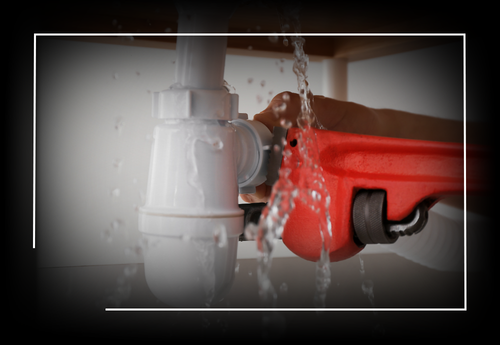
A small drip may not look scary.
But water has a way of finding places where you do not want it.
A small pipe leak behind a wall can stay hidden for days or even weeks. During that time, water may reach drywall, floors, cabinets, or insulation.
Watch for signs such as:
- Water stains
- Wet spots
- Peeling paint
- Warped floors
- Musty smells
- Higher water bills
- The sound of water when nothing is running
Do not ignore these signs.
Finding a leak early may help you avoid a much larger repair later.
There is also a lot of water at stake. The U.S. Environmental Protection Agency says leaks in the average home can waste more than 9,300 gallons of water each year. Fixing easy-to-repair leaks may also save about 10% on a home’s water bill.
That is a good reason to take a dripping faucet or running toilet seriously.
3. Plumbing Helps Protect Your Home
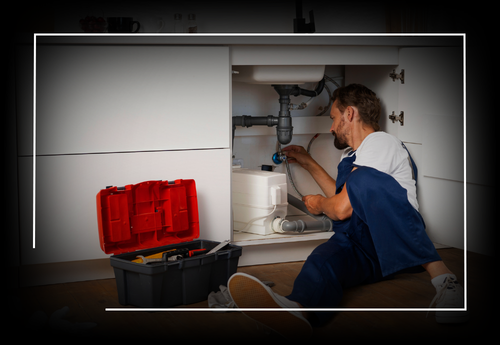
Your home is a big investment.
Water can cause a lot of damage when it gets outside the pipes.
Imagine that a pipe breaks in an upstairs bathroom while no one is home.
Water could damage the bathroom floor. It could move through the ceiling below. It may reach furniture, lights, or other parts of the house.
This is why you should not wait for a major leak before thinking about plumbing care.
Look under sinks from time to time.
Check around the toilets.
Pay attention to wet spots.
Watch for changes in water pressure.
Small checks can help you spot a problem sooner.
4. Plumbing Makes Daily Life Easier
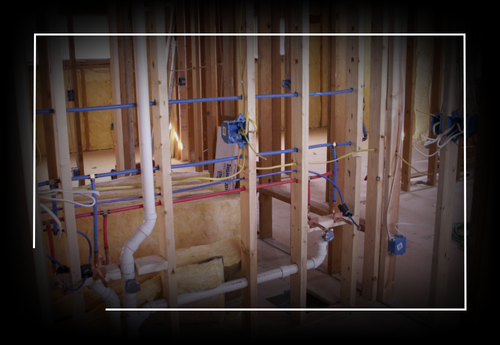
It is hard to understand how much we depend on plumbing until it stops working.
No water may mean no normal shower.
A broken water heater may mean no hot water.
A clogged toilet can make a bathroom hard to use.
A blocked kitchen sink can make cooking and cleaning harder.
Plumbing also supports many things in your home, such as:
- Dishwashers
- Washing machines
- Water heaters
- Ice makers
- Some heating systems
- Outdoor faucets
Keeping your plumbing in good shape helps all these parts of your home work as they should.
5. Plumbing Problems Can Waste Water
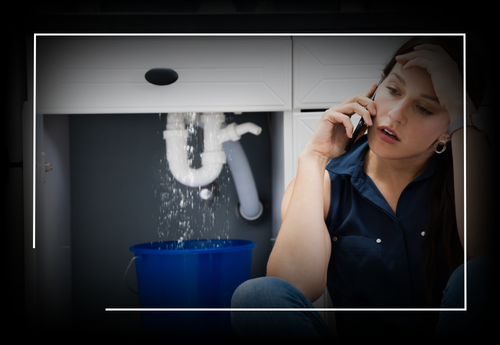
Some plumbing problems are easy to see.
A burst pipe is hard to miss.
Other problems can quietly waste water every day.
Common examples include:
- Dripping faucets
- Running toilets
- Leaking pipes
- Bad valves
- Leaking outdoor faucets
A small leak may not seem like much.
But a leak that keeps going day after day can waste a lot of water.
Watch your water bill. If it goes up for no clear reason, a leak may be one possible cause.
You can also check around toilets, sinks, water heaters, and other places that use water.
6. Plumbing Helps Keep Clean Water Safe
Your plumbing system should keep clean water apart from dirty water.
That is an important job.
Pipes and other parts of the system must be installed and cared for the right way.
Problems with pipes or connections can sometimes affect water quality.
Call for help if your water suddenly has a strange:
- Color
- Smell
- Taste
Do not guess what caused the change.
The problem may be inside your home. It may also come from the local water supply.
A plumber or your water provider may be able to help find the cause.
What Do Plumbing Services Include?
Professional plumbing services can cover many types of work.
A plumber does much more than fix a dripping sink.
Services may include:
- Finding and fixing leaks
- Cleaning drains
- Fixing toilets
- Replacing faucets
- Repairing pipes
- Fixing water heaters
- Working on sewer lines
- Fixing garbage disposals
- Checking low water pressure
- Inspecting plumbing systems
- Handling plumbing emergencies
Some plumbers also work on new homes and home remodels.
Not every company offers every service.
Before you hire a plumber, ask if the company works on the type of problem you have.
Warning Signs You May Need a Plumber
Not every plumbing problem is an emergency.
Still, some signs should not be ignored.
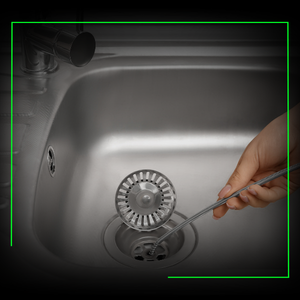
1. Drains Keep Getting Clogged
One slow drain may have a simple clog.
Several slow drains can point to a larger problem.
If the same drain keeps clogging after you clear it, it may be time to call a plumber.
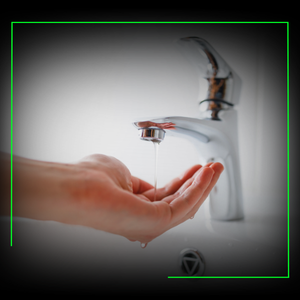
2. Water Pressure Drops
Low water pressure can make showers, sinks, and other fixtures hard to use.
If the change happens all at once or affects many parts of your home, have it checked.
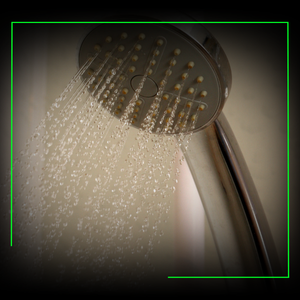
3. You Have No Hot Water
No hot water can mean there is a problem with your water heater.
The heater may need a repair. An old or badly damaged unit may need to be replaced.
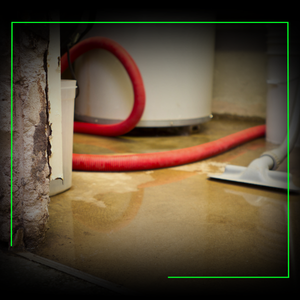
4. You See Water Where It Should Not Be
Water under a sink is not normal.
Neither is water around a toilet, water heater, or appliance.
Water marks on walls or ceilings should also be checked.
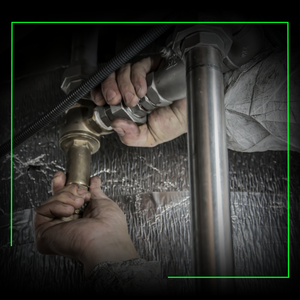
5. Your Pipes Make New Sounds
Pipes sometimes make noise.
But new or loud banging, knocking, or other strange sounds may be a sign of a problem.
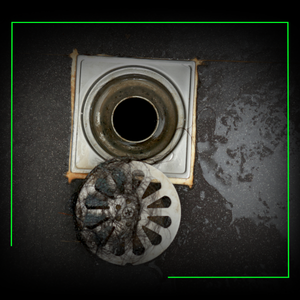
6. You Smell Sewage
A sewage smell inside your home should not be ignored.
The cause may be a drain, vent, sewer line, or another part of your plumbing.
A plumber can help find the source.
What Is a Plumbing Emergency?
A plumbing emergency is a problem that needs fast action.
It may damage your home, make an area unsafe, or stop you from using important parts of your plumbing.
Examples include:
- An exploded pipe
- A significant water leakage
- A sewer blockage
- A continuously overflowing toilet
- A significant water heater leakage
- A plumbing issue leading to rapid water damage
A slowly dripping tap can typically be addressed during a routine maintenance visit.
A pipe spraying water across the room cannot.
One of the best things you can do before an emergency is learn where your main water shutoff valve is.
Do it now.
Do not wait until water is running across your kitchen floor while you search online for “where is my water shutoff?”
That is not the best time for a home tour.
Searching for “Plumbing Emergency Near Me”
When water starts pouring into a home, many people grab their phones and search plumbing emergency near me.
That makes sense.
You need help fast.
But fast does not mean you should call the first random number you see.
When you can, check:
- Does the company serve your area?
- Does it offer emergency service?
- Is it properly licensed where required?
- Does it have insurance?
- What do customer reviews say?
- Does it explain emergency fees?
- Can it give you an idea of the cost?
If water is leaking fast, turn off the right water supply if you can do so safely.
If you see standing water near electrical wires, outlets, or equipment, stay away from the area.
Safety comes first.
Simple Plumbing Care Can Help
You cannot stop every plumbing problem.
Pipes get old. Parts wear out. Things break.
Still, simple checks may help you find trouble sooner.
Every so often:
- Look under your sinks.
- Check around your toilets.
- Look at water lines connected to appliances.
- Watch for rust or damage.
- Pay attention to low water pressure.
- Deal with slow drains.
- Check for strange jumps in your water bill.
- Know where your water shutoff valves are.
Be careful with DIY fixes.
A simple job may be fine for some homeowners. A large leak, sewer problem, or pipe repair is a different matter.
When you are not sure what caused the problem, getting the right help can prevent you from making it worse.
Fixing Problems Early May Save Money
It can be easy to put off a small plumbing repair.
You may think, “It is only a little leak.”
But that little leak may not stay little.
Water can damage a cabinet.
Then it can reach the floor.
Then it can get into a wall.
Now you do not just have a plumbing bill.
You may also have a floor, wall, or cabinet repair.
Fixing the cause early can often be much easier than repairing the damage later.
How to Choose a Plumber
Price matters, but it should not be the only thing you check.
Look for a plumber who can explain the problem in simple terms.
Before hiring a company, you may want to check:
- License, if required
- Insurance
- Experience
- Customer reviews
- Written estimates
- Warranties
- Emergency service
- Clear pricing
For a large job, getting more than one quote may help.
Do not be afraid to ask questions.
If one plumber says you need a full replacement and another says the part can be fixed, ask both to explain why.
A good contractor should be able to explain the work without making you feel lost.
Why Being Easy to Find Matters for Plumbing Companies
There is another side to searches, like a plumbing emergency near me.
Think about the homeowner with a burst pipe.
That person probably is not going to spend three weeks comparing plumbing companies.
They need help now.
They search Google. They look at reviews. They check who is open. Then they start calling.
For plumbing companies, being easy to find at that moment can mean getting the job instead of losing it to another company.
LeadsFlow180 helps plumbers and other home service businesses get found online and turn searches into leads.
When someone’s bathroom is filled with water, your phone number should not be hidden behind five menus.
Make it easy to call.
Final Thoughts
So, why plumbing is important is easy to understand.
Plumbing gives your home clean water. It takes dirty water away. It helps you cook, clean, shower, wash clothes, and use the bathroom.
It also helps protect your home from water damage when the system is working well.
You do not need to know how to fix every pipe in your house.
You should know the warning signs.
Watch for leaks.
Do not ignore bad smells.
Pay attention to slow drains and low water pressure.
Know where your water shutoff valve is.
Most of all, get help when a problem is too big or unsafe to fix yourself.
A small plumbing problem today can become a big repair later.
Catching it early can save you time, stress, and money.
FAQs
1. Why is plumbing important?
Plumbing brings clean water into your home and takes dirty water away. It helps your family cook, clean, bathe, wash clothes, and use the bathroom.
2. What is a plumbing emergency?
A plumbing emergency is a problem that needs fast help. Examples include burst pipes, large leaks, sewage backups, and major toilet overflows.
3. What should I do during a plumbing emergency?
If you can do it safely, shut off the water to stop more damage. Then call a plumber. Stay away from standing water near electrical wires, outlets, or equipment.
4. How do I find a plumbing emergency near me?
Search for local plumbers that offer emergency service. Check their service area, reviews, license (when required), insurance, hours, and emergency fees.
5. What plumbing services do plumbers offer?
Plumbing services may include leak repair, drain cleaning, toilet repair, pipe repair, water heater work, sewer service, inspections, and emergency repairs.
6. Can a small plumbing leak cause damage?
Yes. A small leak can damage floors, walls, cabinets, and other parts of your home if it keeps leaking.
7. How can I help prevent plumbing emergencies?
Check under sinks and around toilets for leaks. Watch your water bill. Deal with slow drains. Check water lines, and know where your main water shutoff valve is.
8. Can I fix plumbing problems myself?
Some small jobs may be safe for homeowners who know how to do them. Large leaks, sewer problems, major clogs, and pipe repairs are usually better left to a trained plumber.